Tag: dungeons & dragons
Dragons of forests and hills (D&D)
(been reading the 2e monster entries lately and had some ideas)
Green Dragons:
the tyrants of the woods, and evil landowners of dragons. Used in many political cartoons to represent nobles who put unfair hunting restrictions on peasants.
Green dragons are very protective of their forests, not as guardians of nature but in the manner of owner of a prized garden. The fact they can be reluctant to use their chlorine based breath weapon in fear of causing splash damage to their precious vegetation is well known and exploited by their enemies. In fact, many of the spells passed down and learned by green dragons are those concerned with healing plants or encouraging their growth.
Green dragons and bronze dragons are the two chromatic and metallic dragons most likely to interbreed or even very rarely form long-term bonds with each other despite their very different outlooks on life (and on cruelty to animals).
The long term bonds mainly happen when a coastal living green dragon prizes protecting their territory over engaging in cruelty; a task well the bronze dragon is well suited to assisting. The fact that bronze dragons tend to only actively hunt aquatic non-tetrapods also helps the rare arrangements as the two do not compete for game.
The hybrid spawn of bronze dragons and green dragons known are generally not as outright murderous as but their chromatic parents are known to be, but otherwise there is no obvious pattern to
Of the three best known individuals on record,:
One has set up terrifyingly convoluted extortion schemes for ships and travellers passing near its territory, creating bizzare dangers with its magic that only it knows how to get past without harm.
One has set itself up as a cruel avenger of those who abuse wildlife.
The most well known of all however, is a scholar by the the name of Tytrek who has settled in a submegerged forest created as a result of a dam created under a human-dwarf partnership. Tyrtek has used magic to keep the various plants alive under their submersion and is working on a long term project to magically alter the biology of the plants and create a self-sustaining true “underwater forest”. She is known to pay quite handsomely for any writings of magical research that might help her in her endeavors.
More dragons below
Forest Linnorms and Green Dragons
Green dragons never forest linnorms. Though the forest linnorms eccentric hatreds could possibly be tolerated until the Green dragon gets bored and backstabs them (or until it the linnorms homicidal mania interferes with the green dragon’s machinations), forest linnorms tend to be even greater egomaniacs than green dragons.
Forest linnorm’s strange obsession with destroying all they consider “beautiful” (a rough translation from a concept unique to their language, but it is mainly anything with aesthetics in high regard with humans or elves) also puts them at odds with green dragons who particularly prize artificial objects of fine craftmanship. (And is a reason why many think it is not a natural creature but created in primal times by an attempt to tinker with the genetic memory of dragons create a dragon with an inborn hatred to particular species of humanoids. Similar speculation surrounds the sea linnorm which oddly eats only land animals and are hostile to only intelligent land races.)
A war between a green dragon and a forest linnorm is a terrible thing for the inhabitants of a forest. A sorcerer king versus a natural assassin, with any animal or person at risk of becoming a playing piece in the conflict.
Still, though they cannot coexist together, matings do occur. In all cases it was a male linnorm and a female green dragon, as male forest linnorms travel to find mates.
The common psychology of such offspring is not yet well known, as they are terrifyingly stealthy, so its not clear how much “baggage” they inherit from their father. What is known is they prefer to rule their domains from the shadows unlike the more brazen green dragons. Those that inherit more of their father’s body type may end up living in denser patches of the same forest as their mother.
Amber Dragons: The sap suckers
Not the most glamorous or revered of dragons, but a commonly used mascot for various syrup companies

Amber dragons, for those not in the know, are adapted to feeding on the fluids of trees by piercing trunks with their beaks. They are omnivorous and feed of many other sources of food as well, but their jaws are not well adapted to catching prey . Strangely, like a shark, their teeth are made of cartilage rather than bone.Truly one of the most unusual dragons, they are wanderers that keep no hoard and make no lairs.
Green dragons hate amber dragons, considering them “squatters” and “vagabonds’ difficult to root out, and have no respect for a dragon that lives as a parasitoid of non-sapient inanimate organisms.
Amber dragons meanwhile use the same shape-shifting abilities they use to navigate dense forests to avoid green dragons unless they feel like fighting.
Amber dragons normal courtship practices are unknown, but they have been known to hybridize with forest linnorms. They tend to be more emotionally stable than amber dragons and lacking the destructive obsession of forest linnorms . .Many elves hope the hybrid vigor of the resultant spawn could eventually lead o them outcompeting forest linnorms. This might actually be possible; even though the hybrids often occupy different environmental niche they can still come into conflict with the territorial linnorms.
Bugbears should creep and crawl more in art
Not like a gorilla but like Japanese spiderman
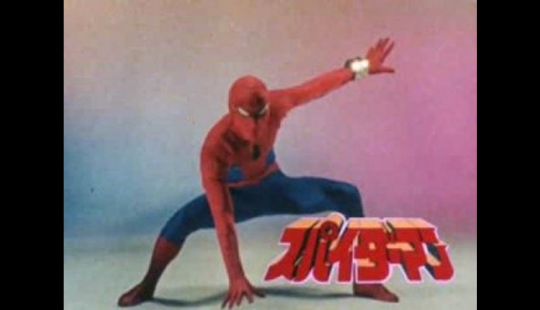
They’re the monsters under the bed turned into a d&d race, but its only recently recently online communities are starting to go “hey, these guys are written to be stealthy!”
Personally I also think they should be naturally flexible race, basically similar to Tooms from the X-files in getting into places they shouldn’t with their size.
…That honestly explains why a bugbear might wear armor not easy to take off in town, it puts other races at ease that they can’t sneak around easily.
bugbear: who dares enter my lair???
bard, panicking: THIS IS THE IRS. YOU’RE BEING FORCLOSED.
dm: uhh, roll for deception
bard:……. 20!
bugbear, now also panicking: TAKE WHAT YOU WANT, I CANT GO BACK TO PRISON
r/DnD – Should jail time sentences be based on race?

Proposal: not all dwarfs have beards
A poorly kept beard is a sign of low status.
A shaven beard means you are likely a chef, miner or other profession where its a bad idea to have a flammable mass on your face that’s a potential breeding ground for parasites.
No beard at all, whether due to natural baldness, disease, or poisoning is met with pity and disgust
A well kept beard means you are wealthy and important.
(Dwarven women tie their hair long into the shape of a beard if they are not graced with one naturally, and thus are not exempt from this system)
And many dwarves that immigrate to the surface just ditch the whole stupid system and do what they like with their facial hair because its their face darnnit!
We need more seasonal changes for cold places fluff in D&D
Having monsters change with seasons sounds really fun.
White Dragons having a breath weapon useless against other cold monsters makes more sense if the dragon tends to hibernate when those monsters are most active. A white dragon in the fall is going to be setting up a larder.
The reason high-danger monsters have high lore checks
Because so few survive against them its hard to separate fact from whats made up
And for the good aligned monsters, well they have groupies/fans that spread misinformation as they gossip over the “noble gold dragon” or such.
Now that I think of it, there are probably a lot of romance novels involving dragons read by lonely women in many D&D setting .
Bug-winged gillman
With ice powers!

From Dragon 244# article proposing multiple new flying races
Kiiratam
Ashiera: dragonfly-winged creature-from-the-black-lagoon things.
Fainil (Night Flyers): a drow/tanar’ri bat-winged cambion type. I like the drow having a bunch of cambionspawn with distinct phenotypes.
Masgai: Insectoids that fly without wings because of ancient descent from the Plane of Elemental Air.
Telvar: bird-winged and -faced mountain barbarians. I’ve always remembered them as more specific avariel, but checking the article shows that they’re not actually elves. Go figure.
Xakhun: drow/wood elf sky pirates. They’re more a variant than a full race, since they’re wood elves + 10% MR and no drow sunlight vulnerability. But the article does have three kits specifically for them. For when you need airships in the drow invasion force.
Masgai are the most sinister neutral antagonists I’ve seen. They basically seek to ensnare every planet they can into their empire, but despite their short lifespan they play the long game and usually set themselves up as revered protectors to the point power is given to them by the grateful. Despite their disdain for unnecessary conflict, the military runs all society.
Considering how in real life ant colonies tend to peacefully divy up territory, an expansionist but mostly nonviolent insectoid race makes sense.
Also I now want a race variant that are-flight adapted but are born without wings and must craft them through various possible means.
The ashiera, the flying gillman , are the most standout though. You really get the feeling of prehistory from their designs, and their powers would have been extra effective in the tropical primal past. I’d make them not immune to their own ice powers, because that makes things more interesting.
“Just let people play whatever character classes they want!” is a fine sentiment, but some people take it so far as to talk like being concerned about party composition is strictly opposed to good roleplaying. Do y’all think bad party comp is something that wouldn’t be obvious from an in-character perspective? Like, have you never been involved in a group project, taken a look at the personalities and skill-sets involved, and gone “well, we’re doomed”?
 Monsters and Stuff